
Have you ever wondered why so many people are struggling with anxiety and depression? Well, anxiety and depression are two of the most common mental health concerns in the UK and worldwide. Surveys suggest millions of adults experience them each year, and many seek professional support to cope.
Anxiety and depression can be caused by major life events, ill health, relationship problems, work-related stress, and it may be more common if other members of your family have it. For some people, depression might be an imbalance of chemicals in the brain, so that antidepressants can help, but they don’t help everyone. Sometimes, we don’t know why people get anxiety and/ or depression.
According to the World Health Organisation, some of the key facts are shocking.
- Anxiety disorders are the world’s most common mental disorders, affecting 301 million people in 2019.
- More women are affected by anxiety disorders than men.
- Symptoms of anxiety often have onset during childhood or adolescence.
- There are highly effective treatments for anxiety disorders.
- Approximately 1 in 4 people with anxiety disorders receive treatment for this condition.
Added to this, they state that research shows that:
Although highly effective treatments for anxiety disorders exist, only about 1 in 4 people in need (27.6%) receive any treatment.
Life can feel demanding, especially when juggling work, family, relationships, and health.
Sometimes worries build up until they affect sleep, energy, and confidence.
Other times, low mood and sadness creep in after loss or significant change. These experiences are not a sign of weakness, but human responses to life’s pressures.
Frequently Asked Questions About Anxiety and Depression

Can counselling help with anxiety?
Yes, counselling is one of the most effective ways to manage anxiety.
Talking with a counsellor helps you understand what triggers your worries, gives you coping strategies, and helps you regain a sense of calm and control.
Can counselling help with depression?
Yes, counselling provides a safe, confidential space to explore feelings of sadness, hopelessness, or lack of motivation. Doctors often advise their patients to have counselling. Together, we look at the underlying causes and find ways to lift mood, improve relationships, and restore a sense of purpose.
How does hypnotherapy support anxiety and depression?
Hypnotherapy works with the subconscious mind to create positive change. It can reduce anxious thoughts, ease stress, and support deep relaxation. For depression, hypnotherapy may help improve sleep, motivation, and self-confidence.
Is online counselling effective?
Yes. Many people now choose online counselling because it’s convenient and just as effective as in-person therapy. At Awaken the Change, I use Zoom so you can access support from home or wherever you feel most comfortable.
How long does it take to feel better?
Everyone is different. Some people feel relief after a few sessions, while others benefit from longer-term support. What matters is that therapy is tailored to you.
Taking Steps Towards Change
Living with anxiety or depression, or both, can feel isolating, but you don’t have to cope alone. Counselling and hypnotherapy are proven ways to ease symptoms and rebuild confidence.
At Awaken the Change, I offer:
- Counselling – to talk openly and explore solutions in a safe, supportive space.
- Hypnotherapy – to reduce anxiety and reframe negative thoughts.
- Online and local sessions – flexible support designed to fit around your life.
You can choose whatever suits you best.
Some people decide to have counselling, while others want a mixture of counselling and hypnotherapy.
Why Choose Awaken the Change?

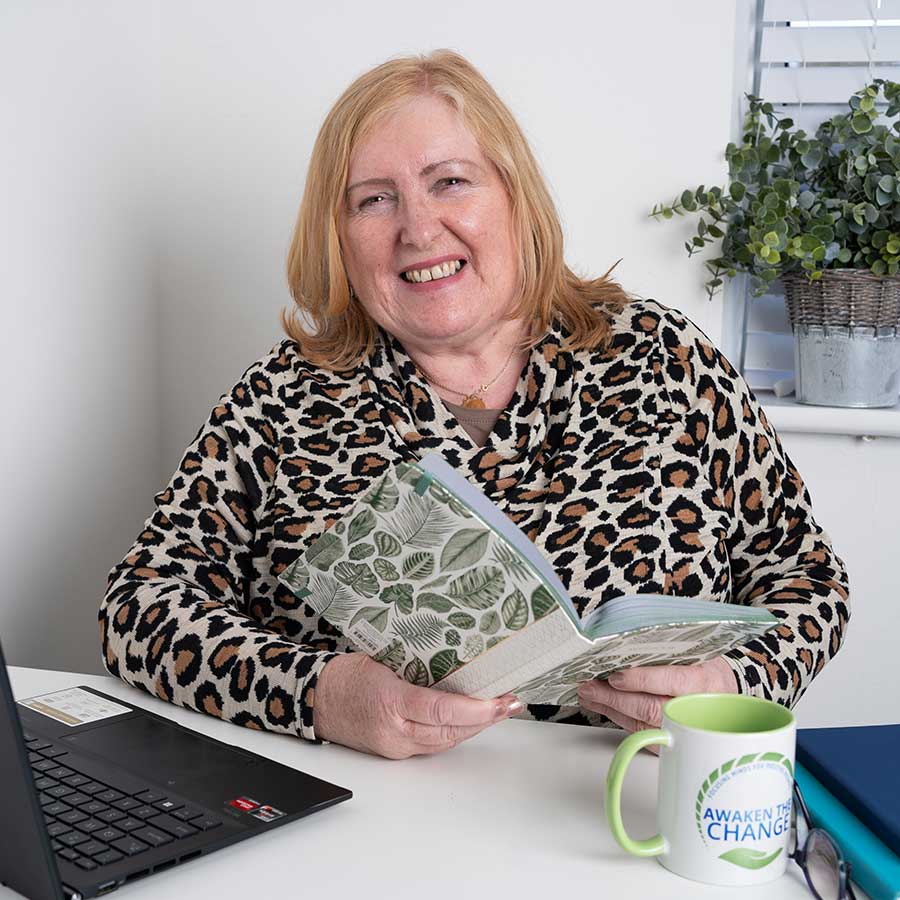
I’m Linda from Awaken the Change. I am a qualified counsellor, hypnotherapist, and coach with decades of experience helping adults manage anxiety, depression, and stress. With a background as a nurse and educator, I understand how emotional health affects your whole life. My approach is professional, caring, and tailored to you.
Start with a Free Consultation
If you are struggling with anxiety or depression, the first step is often the hardest. But you don’t have to commit right away. That’s why I offer a free 30-minute initial consultation, so you can ask questions and see how counselling or hypnotherapy could support you.
Linda Witchell