Stress has become so normal in modern life. In my practice as a hypnotherapist and counsellor, I see so many people suffering with stress, and the surprising thing is that many times they don’t realise that they are suffering with stress.
So how do you know that you are suffering with too much stress?
You might wake up already thinking about work. You try to remember everything you need to do. Maybe you convince yourself that you need to go into work early to get everything done.
Your phone starts buzzing before breakfast. You probably start getting lots of notifications.
And then, you rush through the day trying to keep everyone happy while ignoring your own needs.
At the end of the day, when you finally sit down at night, your mind refuses to switch off. Maybe you worry that you have forgotten something at work. You start thinking about difficult conversations. The more you think about things, the worse it feels.
You tell yourself it is “only stress”.
But constant stress carries a hidden cost.
Many people continue functioning while quietly becoming emotionally exhausted beneath the surface. They keep going because they have responsibilities, deadlines, families, bills, or people depending on them. And with economic pressures, global problems, and personal issues, it can feel overwhelming sometimes. I get it!
From the outside, they may look capable and successful. Internally, they often feel overwhelmed, anxious, drained, irritable, or disconnected from themselves.
But over time, stress affects far more than mood.
But what exactly is stress?
According to the World Health Organisation
Stress can be defined as a state of worry or mental tension caused by a difficult situation. Stress is a natural human response that prompts us to address challenges and threats in our lives. Everyone experiences stress to some degree. The way we respond to stress, however, makes a big difference to our overall well-being.
Stress affects both the mind and the body
What I find few people acknowledge is that the body responds to stress through the nervous system.
When your brain perceives pressure or threat, it releases stress hormones such as cortisol and adrenaline. This response can be helpful in short bursts.
The problem begins when stress becomes constant. You know that feeling when you think you are on a hamster wheel and can’t get off.
Research shows that long-term stress may contribute to sleep difficulties, anxiety, digestive problems, high blood pressure, fatigue, lowered immunity, muscle tension, headaches, and emotional burnout.
These are often the problems that people bring when they come to see me.
Some people also notice:
- Brain fog
- Poor concentration
- Emotional eating
- Increased alcohol use
- Panic symptoms
- Low motivation
- Loss of confidence
- IBS flare-ups
- Feeling emotionally numb
- Relationship difficulties
The mind and body are closely connected. Emotional stress often appears physically.
This is something many people do not realise until their symptoms begin interfering with daily life.
High performers often ignore the warning signs
One of the most difficult things about chronic stress is that hardworking people often become skilled at hiding it. I’ll let you in on a secret: I know about overworking because I have been one of those people in the past.
Stress presents in different ways, but you may still be turning up for work, supporting your family, smiling socially, and doing everything expected of you. However, you may feel exhausted underneath.
I see this often in professional adults who have spent years pushing themselves to keep going.
Many have become trapped in survival mode.
They tell themselves:
- “I’ll slow down later.”
- “Things will improve once this project is finished.”
- “I should be coping better.”
- “Other people have it worse.”
Months or years pass before they recognise how much stress has affected them.
The emotional cost of constant pressure
Stress not only affects productivity. It affects quality of life.
You may stop enjoying the things you once loved. Your patience becomes shorter. Relationships feel harder. Sleep becomes lighter. Small problems feel overwhelming.
Some people describe feeling “flat” emotionally. Others become tearful, reactive, or disconnected.
Constant pressure can slowly chip away at confidence and emotional resilience.
In some cases, people begin to question their ability to cope, despite having successfully managed difficult situations for years.
Months or years pass before they recognise how much stress has affected them.
High levels of stress for a long time can also lead to anxiety issues.
Why relaxation feels difficult
Over the years, I’ve noticed that many stressed people say they can no longer relax properly.
This is common, especially if they have come to see me for hypnotherapy, and they think that they need to relax for it to become effective.
When the nervous system remains activated for extended periods, the brain becomes accustomed to being alert. Even when external pressures ease, your mind may continue to scan for problems.
This is why some people:
- Feel guilty sitting still
- Wake during the night thinking
- Struggle to switch off on holiday
- Constantly check emails or messages on their phone
- Feel restless during quiet moments
Relaxation becomes something they have forgotten how to do naturally, yet it can become easy again when they learn how.
The good news is that this can change.
Small changes can create powerful results
You do not always need dramatic life changes to begin reducing stress.
Small, consistent actions often help calm the nervous system over time.
This may include:
- Better boundaries
- Regular breaks
- Guided relaxation
- Hypnotherapy
- Counselling
- Mindfulness
- Exercise
- Reducing overstimulation
- Talking openly about stress
- Prioritising sleep
- Learning emotional regulation skills
Research into neuroplasticity shows that the brain can develop healthier patterns and responses with repetition and practice.
Change is possible, even if you have felt stressed for a long time.
Some people may have tried things already without success, but getting the right way for you can achieve amazing results.
You deserve support, too
Many caring and capable people spend so much time supporting others that they neglect themselves. Maybe they become ‘people pleasers’ or just never think to reward themselves for their hard work.
Eventually, the body and mind ask for attention.
Seeking support is not a weakness. It is often the beginning of positive change.
At Awaken the Change, I provide professional and supportive hypnotherapy, counselling, and coaching online for adults experiencing stress, anxiety, emotional overwhelm, grief, and confidence difficulties.
My approach is calm, evidence-based, and tailored to you as an individual.
Sometimes, one conversation can really be the first step towards feeling calmer, clearer, and more in control again.
Final thoughts
Stress is part of life. Living under constant pressure should not become your norm.
Your mind and body give warning signs for a reason.
Listening to those signs early may protect both your emotional and physical well-being in the future.
You do not need to carry everything alone.
If you just want to talk and gather your thoughts in a calm, non-judgemental space, counselling may be your solution.
However, if you want to experience physical and mental relaxation, hypnotherapy might be a better option.
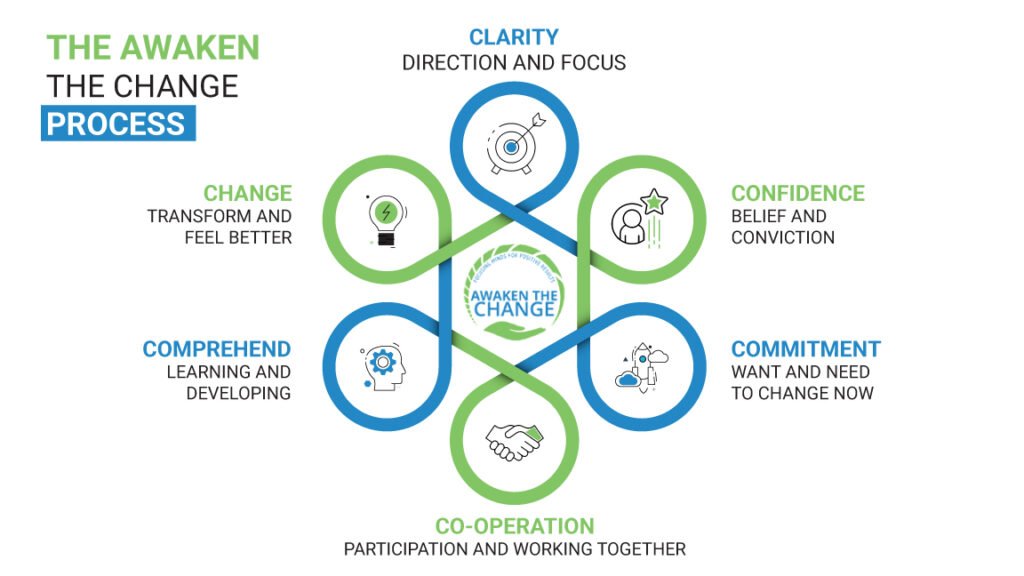
Change requires you to identify the problem, clarifying what you are thinking and feeling, and how it is affecting your life. It also needs the confidence to go forward and know that you can change the situation, then the commitment to do it, not just talk about it. With my help and support, you can move through my Awaken the Change process
Want more information on how you can reduce stress in your life? Book a free consultation and find out how I can help you.www.awakenthechange.com/online-bookings/