
One of the saddest parts of my work is meeting people who believe they should not be grieving as much as they are. What interests me is that sometimes their presenting issue isn’t about pet grief. For example, they may ask for help with difficulties sleeping or feeling lonely.
Over the years, I have lost count of how many times someone who has lost a pet has sat in front of me and said, “I know it was only a dog,” before bursting into tears.
The truth is that it was never “only a dog.”
Or a cat.
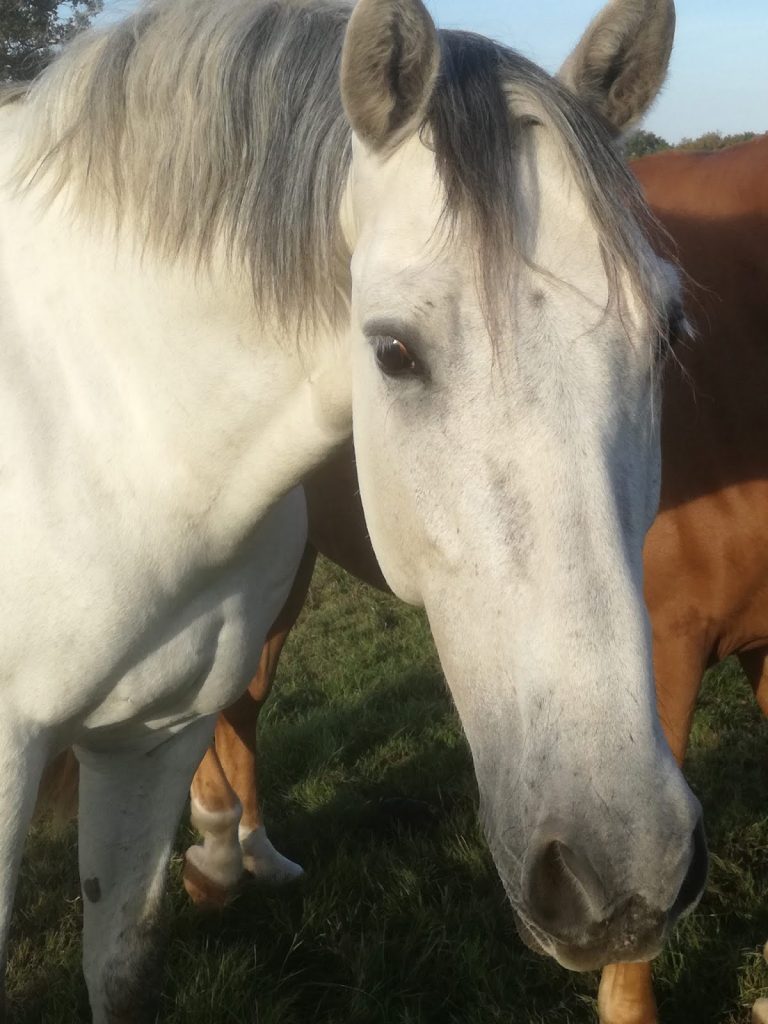
Or a horse.
Or a rabbit.
It was a relationship.
How does pet grief present?
Pet grief can stir all kinds of emotions. I have sat with many people who felt embarrassed about how upset they were after losing a pet. Some apologised for crying. Others told me they felt silly for grieving so deeply.
Yet when we explored what that pet meant to them, the answer became obvious.
Their dog had been beside them through the divorce.
Their cat had slept on the bed every night for fifteen years.
Their rabbit had been a source of comfort during illness.
Love is love. Grief follows love.
I remember one client contacted me six months after losing her Labrador.
Friends and family assumed she would be feeling better by then.
Instead, she felt stuck.
Every time she reached for the lead hanging by the front door, she burst into tears.
What she needed was not somebody to tell her to move on.
She needed permission to grieve.
I wanted to help.
Why do I want to help?
For about 13 years, I worked as a volunteer counsellor, supervisor of other therapists, and trainer for Cruse Bereavement Care, a national bereavement charity. This means that I have worked with people grieving the loss of parents, partners, siblings and friends. I will never know exactly what it is like for each individual, but I have years of experience that have developed my knowledge and skills in this area.
Later, I took a pet bereavement course to expand my knowledge and skills in this area. Now I have also worked with many people grieving the loss of a beloved pet. Their pet could be a dog or a cat, a rodent or an exotic pet. If it is considered a pet, then I believe that while every loss is different, the pain people describe is often remarkably similar.
Pets become woven into the fabric of everyday life. They greet us when we come home. They sit beside us when we are upset. They accompany us through divorce, retirement, illness, redundancy and loneliness. Sometimes they witness parts of our lives that no other person sees.
When they die, the house can feel strangely empty.
Many people tell me the silence is the hardest part.
No paws on the kitchen floor.
No excited greeting at the door.
No familiar routine.
Only an empty space where somebody important used to be.
As both a counsellor and a pet owner, I understand how profound this loss can be. I have experienced it myself and sat alongside many people trying to make sense of it.
One thing I have learned is that grief over pets deserves to be taken seriously.
Not because society says it should.
Because your relationship mattered.
I want to help as I am also an animal lover. I have lost pets and felt that pain. Pets I have lost include a donkey, dogs, rabbits, guinea pigs, a cat, and a hamster.
When Family Members Grieve Differently
One person may cry openly.
Another may throw themselves into work.
Someone else may want another pet immediately.
Different grieving styles do not mean one person loved the pet more than another.
This is something I discuss regularly with my clients.
Common myths about pet loss
“It was only a pet.”
This is perhaps the most hurtful myth of all.
A pet may have been your closest companion for many years.
The bond between humans and animals can be profound.
“I should be over it by now.”
Grief does not follow a timetable.
Some people feel significantly better within months. Others continue to experience sadness years later.
There is no deadline for grief.
“Getting another pet will solve the problem.”
A new pet may bring joy and companionship.
It does not replace the pet that died.
Each relationship is unique.
“Strong people don’t cry.”
Tears are a natural response to loss.
They are not a sign of weakness.
“I shouldn’t still miss them.”
Many people continue to miss a beloved pet long after the initial grief has eased.
That is normal.
Guilt After Pet Loss
One of the most common reasons people seek pet bereavement counselling is guilt.
Questions often include:
- Did I make the right decision?
- Should I have noticed the illness sooner?
- Could I have done more?
- Did I wait too long?
- Did I act too soon?
These thoughts can become exhausting.
One client contacted me several months after the loss of her elderly cat. She replayed the final veterinary appointment repeatedly in her mind.
She knew intellectually that her cat had been suffering.
Emotionally, she still felt responsible.
Together, we explored the facts, the advice she had received and the love that had guided her decision.
Over time, she replaced self-blame with self-compassion.
Coping With Euthanasia and Pet Loss
Making the decision to euthanise a beloved pet can be one of the most difficult decisions you ever make.
Many owners tell me they feel responsible for their pet’s death.
What I often see is something very different.
I see people making painful decisions because they love their pets deeply.
The decision to prevent suffering is usually rooted in compassion.
It may not feel like it at the time, but choosing a peaceful end to pain is often one of the final acts of kindness we can offer.
If you are struggling with guilt after euthanasia, it can help to ask yourself:
“What would my pet say about the love and care I gave them throughout their life?”
The answer is often far kinder than the one grief provides.
What Can Help With Pet Grief?
There is no quick fix for grief, but there are practical steps that many people find helpful.
Talk About Your Pet
Share memories.
Tell stories.
Speak their name.
Remember the moments that made you laugh as well as the moments that made you cry.
Create a Meaningful Memorial
Some people create memory boxes, photo books or garden tributes.
Others write letters to their pet.
These activities can help maintain a healthy connection while acknowledging the reality of the loss.
Be Kind to Yourself
Grief can affect sleep, concentration, energy levels and motivation.
Try to maintain basic routines around sleep, nutrition, hydration and movement.
Small acts of self-care matter.
When Should You Seek Professional Support?
Consider speaking with a counsellor if:
- Grief feels overwhelming
- You feel persistently stuck
- Guilt is affecting daily life
- Sleep is severely disrupted
- Anxiety has increased significantly
- You are withdrawing from people who care about you
If you have any health problems, speak with your doctor.
Seeking support is not a sign of weakness.
Sometimes it is the most caring thing you can do for yourself.
Frequently asked questions
Why does losing a pet hurt so much?
One reason pet bereavement can feel so painful is that pets are woven into everyday life.
You may have walked your dog every morning for ten years.
You may have shared your home with your cat for fifteen years.
You may have talked to your pet more than some people.
Their presence becomes part of your identity.
I remember one client telling me:
“I don’t know who I am without him.”
At first glance, it sounded like an unusual statement about a dog.
As we explored it further, it made perfect sense.
Her dog had been beside her through divorce, retirement and health problems. He had been her constant companion through major life changes.
Of course, she felt lost.
She wasn’t grieving “just a dog”.
She was grieving a significant relationship.
Is pet grief real grief?
Absolutely.
For many people, a pet is not simply an animal living in the home. They are a companion, friend, family member and source of unconditional love.
They are there when you come home from work. They sit beside you when you are upset. They become part of your daily routine and your life story.
When they die, you lose much more than a pet.
You lose companionship.
You lose routine.
You lose connection.
You lose a relationship that may have been part of your life for many years.
Love creates attachment. When that attachment is broken, grief follows.
How long does pet grief last?
This is one of the most common questions people ask.
The honest answer is that there is no universal timeline.
Grief changes over time.
For most people, the sharp edges gradually soften.
You may still feel sadness, but you are often able to remember your pet with more warmth and gratitude alongside the loss.
The goal is not to forget.
The goal is to find a way to carry the love forward while continuing to live your life.
Can counselling help with pet grief?
Yes. Counselling by a qualified bereavement counsellor can help you to understand the process of grief and your emotions. You can also explore different coping mechanisms.
Can hypnotherapy help after losing a pet?
Yes, but hypnotherapy cannot remove grief.
Nor would I want it to.
Grief is a natural response to love.
What hypnotherapy can do is help you reduce some of the emotional distress that accompanies grief.
For example, it may help with:
- Anxiety
- Persistent guilt
- Sleep difficulties
- Intrusive thoughts
- Emotional overwhelm
- Stress
When appropriate, I sometimes integrate counselling and hypnotherapy to support clients in a way that feels safe and comfortable for them.
A Final Thought
If there is one thing I would like you to take away from this article, it is this.
There is no such thing as “only a pet.”
The bond between humans and animals can be extraordinary.
The grief that follows that bond deserves understanding, compassion and support.
You do not need to apologise for your tears.
You do not need to justify your sadness.
Your grief is evidence that you loved deeply.
And that love matters.
For professional support with grief over a pet, please contact me. Book a free initial chat to get to know me and ask questions before a paid booking. Go to my website and get an online appointment www.awakenthechange.com/online-bookings/